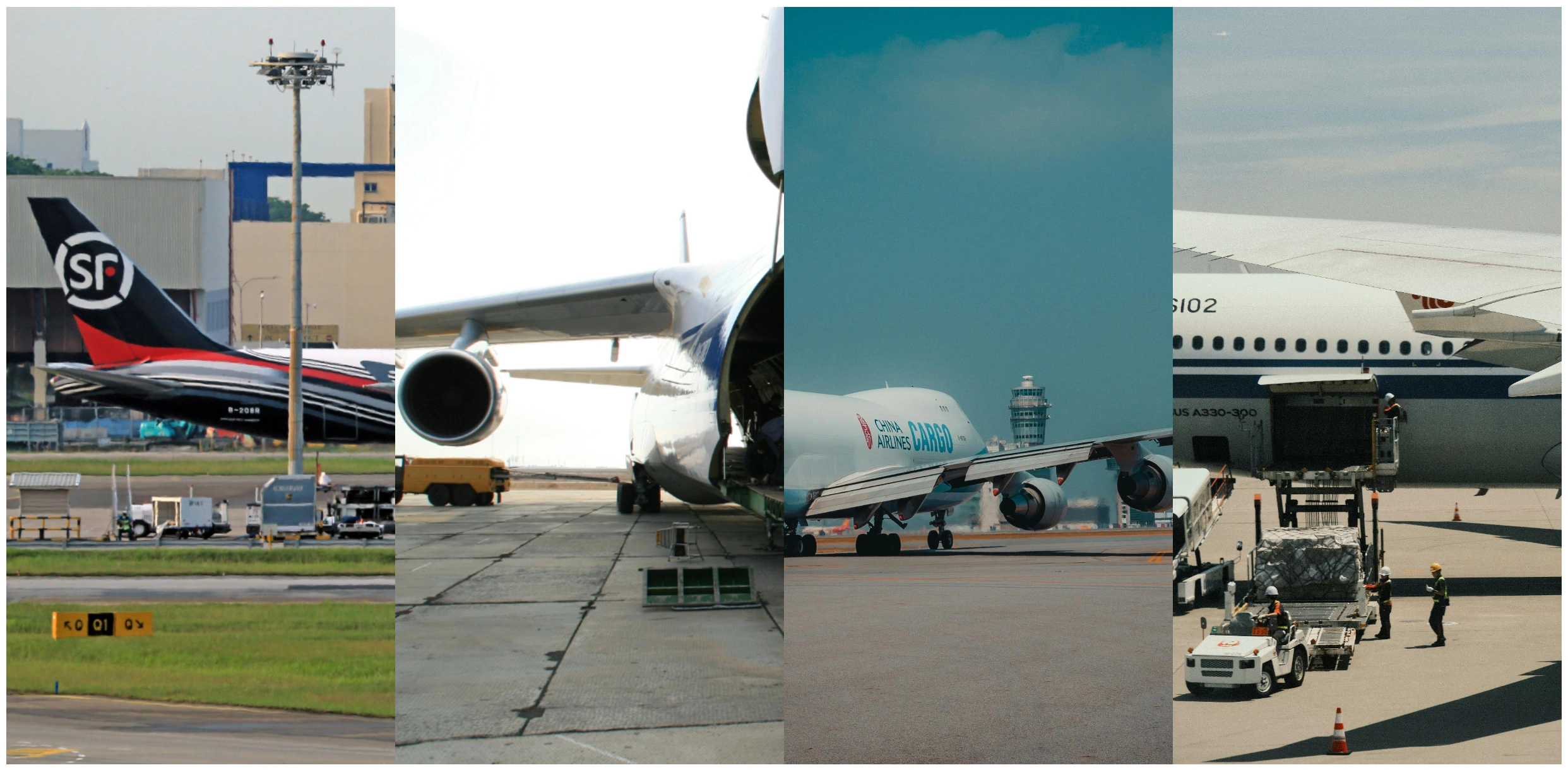

Dangerous goods sit at the point where air freight stops being just a logistics topic and becomes a safety system. This is why weak content on domestic air freight often collapses when it reaches this area. It explains speed, routes, and pricing, then treats dangerous goods as a side note. That is wrong. In air transport, dangerous goods rules exist because some substances and articles can create fire, explosion, toxic exposure, pressure, corrosion, or other in-flight risks if they are not prepared and handled correctly. ICAO’s Technical Instructions are built on the principle that dangerous goods can be carried safely by air only when the required conditions are met.
For an editorial site focused on domestic air freight in Australia, this cluster matters because dangerous goods are not rare edge cases. They intersect with routine cargo acceptance, package checks, markings, labels, declarations, and refusal decisions. CASA’s dangerous goods guidance makes that plain by treating packaging, shipping, hazard labels, statements, and reporting as part of normal air freight safety practice, not as specialist trivia.
What counts as dangerous goods
Dangerous goods are items or substances that can pose a risk during air transport. CASA states that there are 9 main classes of dangerous goods, with some split into divisions, and explains that a shipment may present one or more hazards represented by those classes. ICAO likewise explains that the Technical Instructions require dangerous goods to be packaged according to specific methods and generally limit the quantity per package based on the degree of hazard and the type of aircraft involved.
That matters because many shippers think dangerous goods means only obvious items like fuel or explosives. In reality, the category is broader. CASA’s class and label guidance specifically includes items such as lithium batteries and dry ice within Class 9 miscellaneous dangerous goods. That means a shipment can look commercially ordinary and still fall inside a regulated safety framework once it enters the air cargo system.
Why air freight safety rules are stricter than people expect
Air cargo does not have much tolerance for misjudgment once freight is loaded. Aircraft are enclosed, weight-sensitive, pressure-affected environments, and incidents can escalate faster than they would in slower surface modes. ICAO’s framework is designed to reduce that risk by controlling packaging, permitted quantities, and transport conditions before the shipment flies. That is the basic logic behind dangerous goods regulation in air freight: the system tries to prevent an incident on the ground from becoming a serious event in the air.
This is also why dangerous goods compliance is not a paperwork obsession. It is a control mechanism. Marks, labels, declarations, packing standards, and acceptance checks are all there because the aircraft environment gives less room for error than road freight. Once you understand that, the entire cluster stops looking bureaucratic and starts looking operationally necessary.
The dangerous goods declaration is not optional when it applies
One of the most important ideas in this cluster is the dangerous goods declaration. The broad point is simple: if dangerous goods are being consigned for air transport, the shipment must be properly declared in line with the applicable requirements. IATA’s dangerous goods training guidance treats documentation as one of the shipper’s core responsibilities, alongside selecting appropriate packaging materials, assembling the package, and applying the correct marks and labels.
Australia adds another important layer that many basic articles miss. CASA states that when someone sends or forwards general, non-dangerous goods cargo that might fly, they must provide a dangerous goods statement that either confirms the cargo contains no dangerous goods or describes the cargo. CASA also states plainly that aircraft operators must refuse to load general cargo if this statement is not made. That single rule explains a lot about why cargo can be delayed or rejected before it even gets close to uplift.
Hazard labels are part of the operating language
Hazard labels are not decorative stickers. They are part of the operating language of air freight safety. CASA’s guidance explains the 9 dangerous goods classes and the associated hazard label framework, with additional handling labels for lithium battery shipments and for other miscellaneous dangerous goods. This means the package itself must communicate its risk clearly enough for acceptance staff, handlers, warehouse teams, and operators to process it correctly.
This is one reason dangerous goods errors can be so serious. If the package is not marked or labelled correctly, the problem is not just technical non-compliance. It becomes a handling failure. The people moving the cargo may not have the right hazard information at the right time. That is why IATA’s training material puts marks and labels alongside packaging and documentation as core competencies, not minor finishing steps.
Lithium batteries deserve special attention
Lithium batteries are one of the most important dangerous goods topics in modern air freight. CASA places lithium batteries within Class 9 and gives them distinct handling-label treatment, which already signals that they require closer attention than generic cargo. IATA’s operator guidance on cargo, mail, and baggage also highlights undeclared or poorly described lithium battery shipments as a major operational concern and calls for stronger acceptance scrutiny and staff awareness.
This matters because lithium battery risk is often underestimated at the shipper end. A shipment may be described in commercial terms, such as electronics, tools, devices, or equipment, while the real transport issue is battery content. Once that happens, the dangerous goods problem is no longer just classification. It becomes a system-trust problem: can the operator rely on the shipment description, package preparation, and acceptance information? That is exactly why air cargo acceptance in this area is stricter than ordinary freight acceptance.
Dry ice is regulated for a reason
Dry ice is another item that casual freight content often treats too lightly. CASA specifically includes dry ice in Class 9 miscellaneous dangerous goods. That means it is not simply “cold packaging” from an air freight perspective. It is a regulated item whose use must align with the applicable air transport safety requirements.
This is important because dry ice is often associated with ordinary-looking shipments such as perishables, medical goods, or temperature-sensitive products. In commercial language, the shipment may sound routine. In air cargo terms, however, dry ice changes the compliance profile of the package. That is why dangerous goods knowledge matters even when the shipment’s business purpose looks normal.
Cargo refusal is usually a process outcome, not random behaviour
Many users experience dangerous goods rules only when a shipment is refused. That creates the impression that refusal is arbitrary. It usually is not. IATA’s dangerous goods checklist for non-radioactive shipments is explicit that acceptance or refusal should follow a structured review, and that staff should not accept or refuse a shipment before all items have been checked. The checklist is designed to verify key elements such as the Shipper’s Declaration for Dangerous Goods, package marks, labels, and other required conditions.
That gives you the right mental model. Cargo refusal in dangerous goods handling is normally the result of a failed condition in the acceptance chain: missing declaration, incorrect packaging, incorrect marks or labels, inconsistent details, or another compliance problem. CASA’s rule requiring refusal of general cargo when the dangerous goods statement is missing shows that refusal is sometimes not a discretionary choice at all. It is the required outcome when the safety gate has not been passed.
Hidden and misdeclared dangerous goods are a serious risk
One of the biggest weaknesses in air freight is not always declared dangerous goods. It is undeclared or misdeclared dangerous goods. IATA’s operator guidance emphasises closer scrutiny of cargo acceptance, shipment descriptions, package condition, and indicators that freight may contain undeclared lithium batteries or other regulated items. That is a strong signal that the industry treats hidden dangerous goods as a practical, recurring safety issue rather than a theoretical one.
This is also where the dangerous goods statement for ordinary cargo becomes strategically important in Australia. CASA requires consignors or forwarders of general cargo that might travel by air to either confirm there are no dangerous goods or describe the cargo. That rule exists because “general cargo” is not a safe category if nobody can trust what is inside it.
Dangerous goods safety is really five linked controls
The easiest way to understand this cluster is not as a list of isolated topics but as a chain of controls.
First, the goods must be identified and classified correctly.
Second, they must be packed in the permitted way.
Third, the package must carry the correct marks and hazard labels.
Fourth, the shipment must be declared or stated correctly.
Fifth, the operator or handler must complete a proper acceptance check before carriage. ICAO’s Technical Instructions and CASA’s safety pages support the packaging and quantity-control side, while IATA’s checklist and training guidance support the marks, labels, documentation, and acceptance side.
When one of those controls fails, the rest of the chain becomes weaker. That is why dangerous goods safety is not a separate topic from cargo operations. It is cargo operations under higher-risk conditions.
Why this cluster matters for domestic air freight in Australia
For an Australian domestic air freight site, dangerous goods and safety deserve a dedicated hub because they connect directly to everyday freight reality. Medical supplies may move with dry ice. Electronics may involve lithium batteries. Industrial goods may trigger hazard marking and declaration requirements. Forwarders and shippers handling what they think is routine freight can still face refusal if the dangerous goods statement is missing or the package does not meet the applicable standard.
That makes Cluster 5 one of the strongest authority layers in the whole pillar. It shows the reader that domestic air freight is not only about speed, routes, and price. It is also about whether a shipment is safe to enter the system at all. That is a much stronger editorial position than generic “air freight safety tips.”
Final Thoughts
Dangerous goods and safety in air freight are really about disciplined control under time pressure. Declarations matter because unidentified risk is unacceptable. Hazard labels matter because handlers need immediate visual information. Lithium batteries and dry ice matter because ordinary commercial cargo can still carry regulated air-transport risk. Cargo refusal matters because the system has to stop unsafe or undocumented freight before it moves. ICAO, CASA, and IATA all point to the same conclusion from different angles: dangerous goods can move by air, but only when the required conditions are properly met.