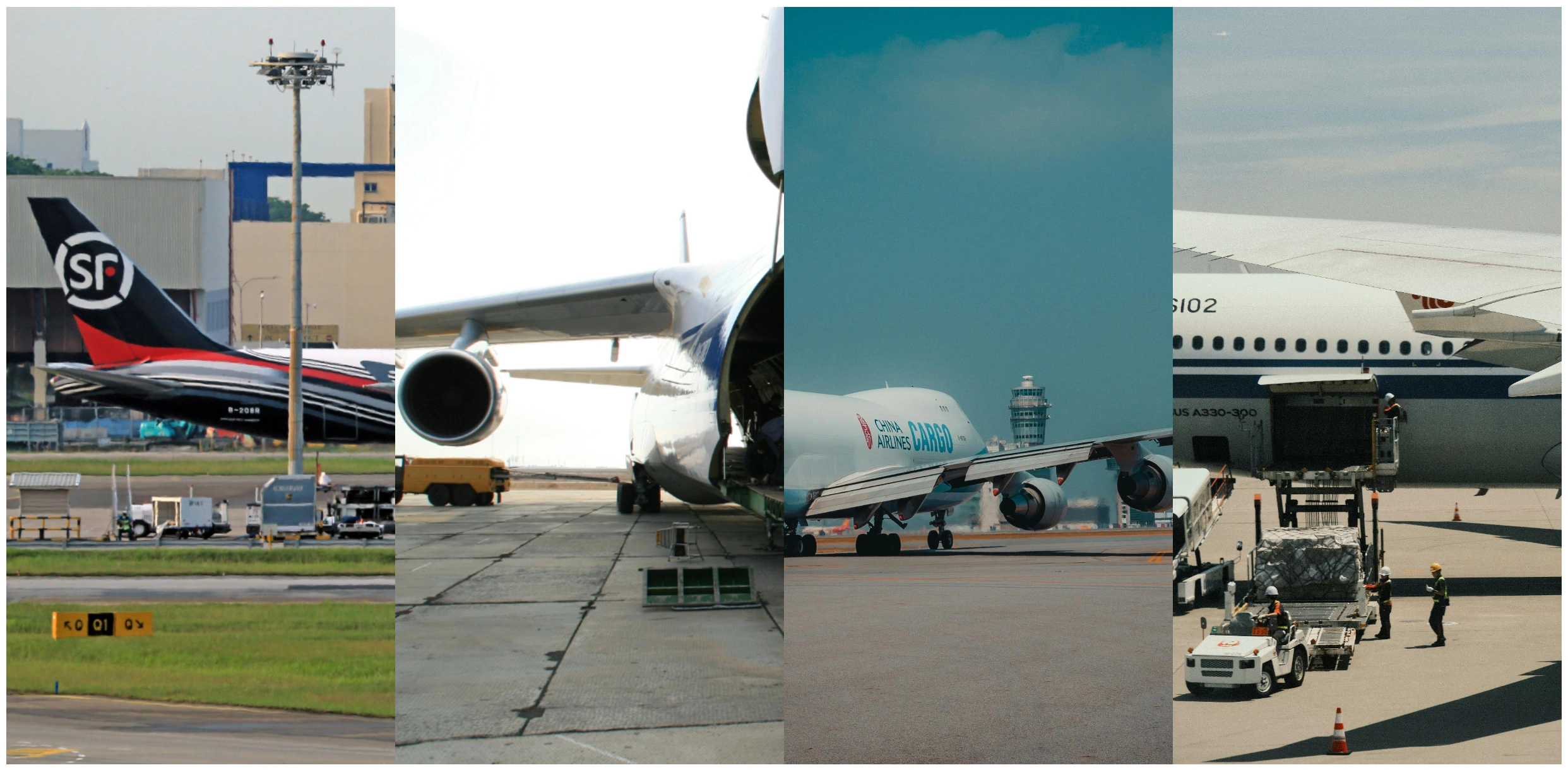




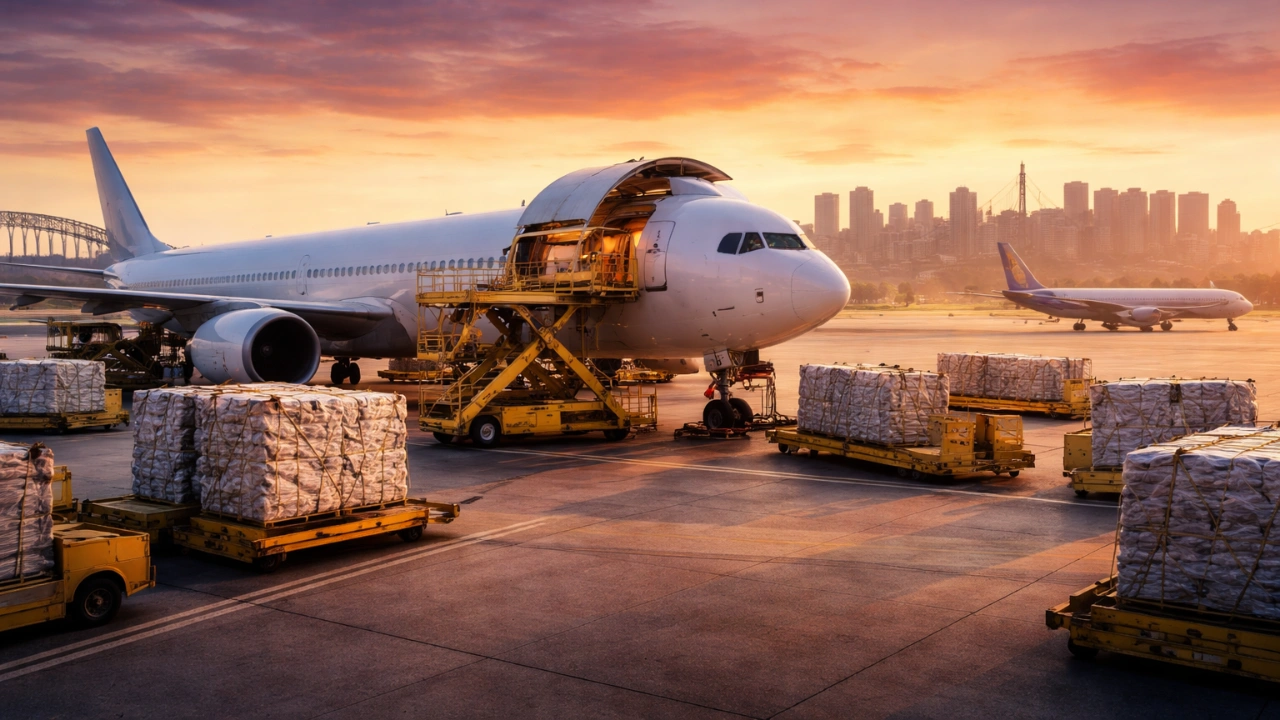

Read the pillar page first, then move deeper into operations, documents, safety, pricing, cargo types, and route coverage.
Shipment details are confirmed before cargo enters the air freight system.
Cargo is checked for packaging, labels, and documents before handling.
Cargo is loaded and flown through the domestic air freight network to destination.
Cargo arrives, is processed, and released for collection or final delivery.
Domestic air freight is not simply the fast option. It is the mode used when delay creates a real operational, commercial, or supply chain consequence. In Australia, that usually means freight moving across long interstate corridors, urgent replenishment, high-value cargo, perishables, and essential regional access.

Mike Clancy covers domestic air freight with a clear editorial style shaped by logistics knowledge, cargo movement insight, and a strong focus on practical industry understanding.
Domestic air freight refers to the movement of cargo by aircraft within Australia, mainly for shipments that are time-sensitive, high-value, perishable, or operationally urgent. It covers more than flight alone. Freight must move through booking, cargo acceptance, terminal handling, load planning, uplift, and final release before it reaches destination. Cargo acceptance is one of the most important stages in that process because it confirms whether the shipment is properly packed, correctly labelled, accurately documented, and ready to enter the air freight system without avoidable delay.
Perth to Sydney air freight is one of the clearest examples of why domestic air freight matters in Australia. The route connects two major economic centres across a long interstate corridor where timing, aircraft space, and operational planning all shape how freight moves. For urgent spare parts, medical supplies, retail replenishment, or other time-critical shipments, air freight on this lane offers a faster and more reliable alternative when road transit is too slow for the commercial or operational need.
These core topic sections organise the site around the main components of domestic air freight. Together, they form the editorial structure supporting the main guide.

Learn the core ideas behind domestic air freight in Australia, including air cargo, interstate shipping, airport-to-airport movement, transit time, and priority freight.
Understand how air cargo operations work, from cargo acceptance and load planning to uplift, ground handling, and cargo terminal flow.
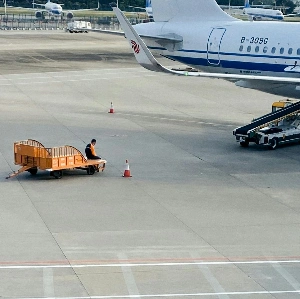
Explore the main documents used in air freight, including AWB, e-AWB, MAWB, HAWB, cargo manifests, and proof of delivery.

Learn how air freight capacity and pricing are shaped by chargeable weight, volumetric weight, payload, belly-hold space, and cut-off times.
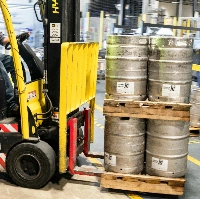
Understand the safety rules behind dangerous goods in air freight, including declarations, hazard labels, lithium batteries, dry ice, and cargo refusal risks.
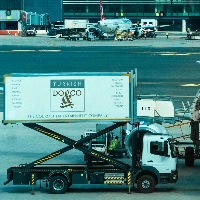
Discover which cargo types are best suited to air freight, from medical supplies and perishables to spare parts, parcels, and critical industrial goods.

Explore how domestic air freight moves across Australia through major city links, regional access routes, and interstate cargo networks.